
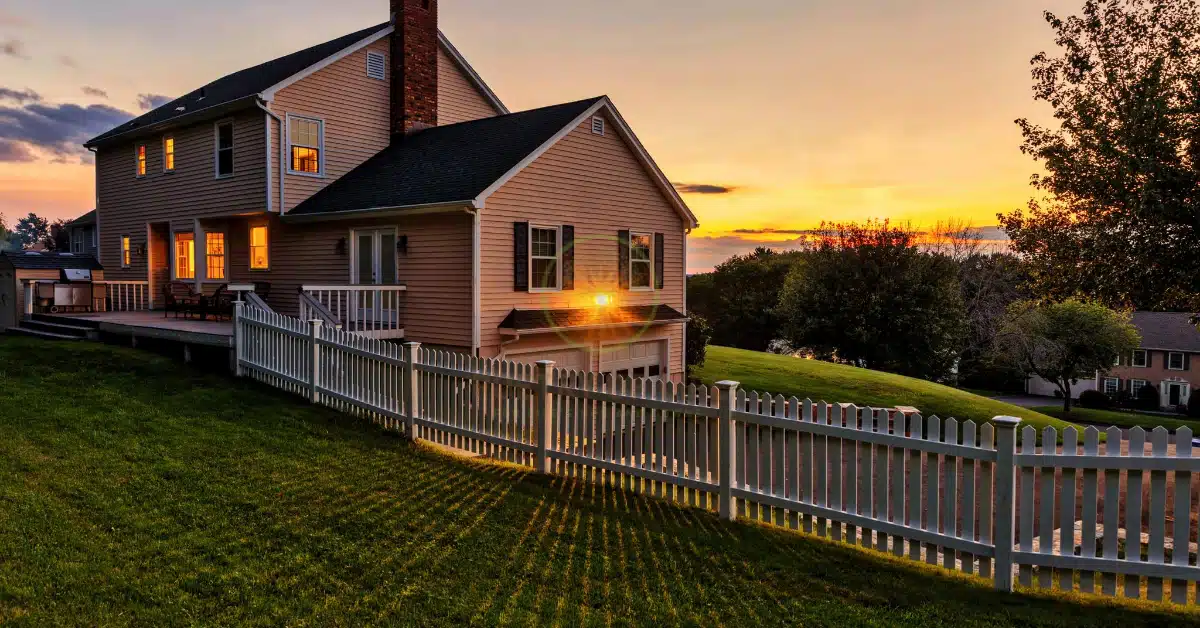
There is something special about an older New England home. The wide pine floors, the hand-hewn beams, the stone foundation that has been holding the house up for two centuries — these are the details you just don't get in new construction. But buying an antique home is also a different kind of decision, and it deserves a different kind of inspection.
The bones are what matter most. In an older home, I start with the structure: the framing, the floor joists, the sills where the house meets the foundation, and how any additions or renovations over the years tie back into the original structure. Each addition can bring its own framing, roofline, and drainage details, and the way they connect tells me a lot about how the house has aged.
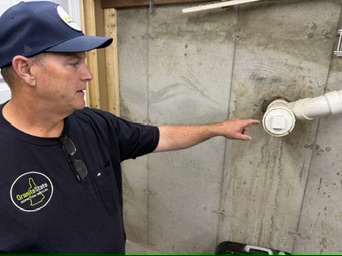
Foundations in these homes are often fieldstone or granite. That is not a problem by itself — many have held up remarkably well. What I look for is movement, loose or missing mortar, water getting in, and how the drainage around the house is directing water away. A stone foundation that has been dry for a hundred years can stay dry for a hundred more if the grading and gutters are doing their job.
Electrical and plumbing are the other big questions. Older homes have often been updated more than once, sometimes by professionals and sometimes by homeowners. I look for whether the updates look properly done: modern service panels, grounded wiring where you'd expect it, GFCI protection near water, and drain and supply lines that have been brought up to current standards. Amateur work is one of the most common findings in an antique home, and it is worth knowing about before you close.
Chimneys and heating systems get close attention too. Older chimneys may have been converted from wood to oil to gas over the years, and the liners and venting need to match the current appliance. I check what I can see and flag anything that suggests a specialist should take a closer look.
The most important thing I can tell you about an older home is this: not every issue is a deal-breaker. Many findings are simply part of owning an antique. My job is to give you an honest, balanced assessment — what's urgent, what's worth budgeting for, and what's completely normal for the age of the house — so you can move forward with confidence instead of alarm.
Have questions about your home?
Mike Robicheau inspects every home himself and is happy to walk you through what he finds. Schedule your inspection or reach out with questions any time.


